Designing your menu is one of the most important moments in opening a new restaurant. A menu goes beyond dishes. It reflects your brand and guides your kitchen workflow. A menu makes a long-lasting impression on the minds of your customers, and it is something that you will be careful to pay attention to.
A good menu is the key to making the dish ordering process smooth and increasing your restaurant's sales. In this guide, we will discuss the categories of menus as well as tips to know while designing yours. Read on!
Types of Menus
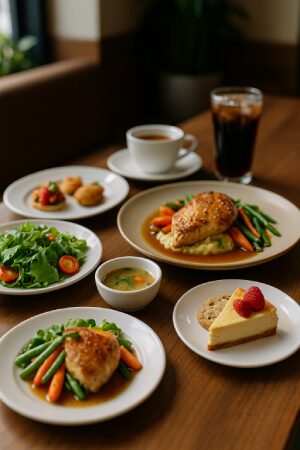
Your restaurant's target audience determines the type of menus that will be available. Here are some of the main categories of menus.
- Appetizers/starters: An appetizer is a small amount of drink or food to stimulate one's appetite before trying out the main course. Examples of appetizers include Canapés, cocktails and Hors D'oeuvres.
- Main courses: A main course refers to the dish served after the appetizer and before the dessert. It is the central and most substantial part of the meal. It typically contains a mix of carbs and proteins. A typical main course meal is braised chicken legs with fennel and grapes.
- Side dishes: A side dish usually accompanies the main course, and it is usually on a second plate. It adds variety to the main dish. Side dishes typically contain salads, potatoes or vegetables.
- Desserts: A dessert is a sweet food or snack that is usually served at the end of the meal. The word “dessert” comes from the old French “desservir”, which means “to clear the table”. Common examples of desserts include ice cream, cookies, pastries and fruit.
- Salads and soups: A salad contains a mix of vegetables and other ingredients, while a soup contains a broth with garnishes like dumplings and vegetables. Salads and soups could come with the appetizer course. In other cases, customers have to specifically request them.
- Beverages: Soda, tea, chocolate milk, milk shakes, and energy drinks are all examples of beverages. Any consumable liquid other than water falls within this category.
How Restaurants Build Menus
Restaurants pay attention to a number of factors before deciding the number and type of dishes on their menu. Three of them include:
- Kitchen size: The kitchen space determines how many things will be available on the menu. A smaller kitchen capacity means fewer dishes and vice versa.
- Staff Skill Level: If a restaurant has specialized and highly skilled chefs, it will be able to prepare complex dishes. Conversely, a smaller and more inexperienced team means the menu size will be smaller.
- Targeted Customer Demographics: A Pizza Hut or fast food restaurant can offer 12 to 15 dishes, while larger restaurants typically offer more dishes. Most modern restaurants usually aim for a balanced menu size, thereby allowing them to stabilize cost and quality.
- Flavour balance and dish variety: Most restaurants aim for a balance between spicy and mild, as well as savoury and sweet. Similar flavours can make the menu bland. Restaurants also offer menus that feature different cooking styles such as frying, baking and grilling.
Menu Design Tips for New Owners
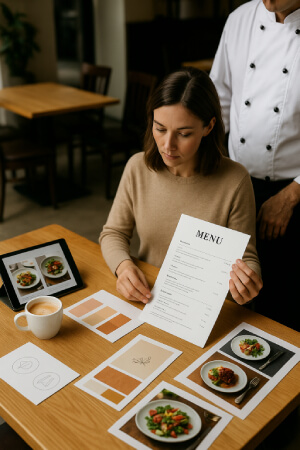
Creating the perfect menu is an art that you will perfect over time. It requires creativity and trials to get the perfect menu. Here are some pieces of advice to help with your menu design.
Use Good Photos and Proper Branding
Photos have a greater visual appeal to the eye than having to read through blocks of text. Take good photos and use them as a background for the image. Everything about your restaurant should reflect your brand, and your menu is no exception in this regard. Use colours and fonts that advertise your brand.
Make Good Use of White Space
White space improves the appeal and orderliness of your menu. It also improves readability because an overcrowded menu can be difficult for customers to read. Whitespace can be used to separate the different sections of the menu and highlight important things like specials or your chef's recommendation for the day.
Categorize the Dishes in the Menu
To make it easier for your customers to make choices, group the dishes in your menus like entrees, specials, appetizers and desserts. Don't be tempted to add as many things as possible to the menu. Such an approach will overwhelm your staff and lead to dissatisfaction among customers as they have to check through hundreds of options. You can rotate the menu so as to make different meals available on separate days of the week. On the other hand, a limited menu will make your customers bored.
Final Thoughts
Your menu is one of the greatest tools in your arsenal. Therefore, you will be careful to pay good attention to it while building your restaurant business.
Make your brand visible, organize the dishes, and use clear visuals. Don't rush the process. Test different ideas, get feedback from your customers and experienced restaurant owners and refine your menu as you go.
Learn More
kitchen layout:-
— Civil Engineering (@CivilEngCo) January 12, 2025
a basic layout and dimensions for a kitchen design. Let's break down the key elements:
Overall Dimensions:
* Length: 3.60 meters (approximately 11.8 feet)
* Width: 3.00 meters (approximately 9.8 feet) pic.twitter.com/uQGt3orBET
Simple but brilliant design of a pizza menu. Masoor restaurant, Yerevan, Armenia
— Massimo (@Rainmaker1973) September 16, 2025
[📹 Igor Polyakov]pic.twitter.com/b8YqZ59DoU